Shortly after our arrival at the Warnemünde cruise port we boarded a bus, trading the calm of the Baltic coast for a long drive into Germany’s past. As our bus rolled through the former East German countryside. The landscape felt deceptively peaceful—wide fields, quiet villages, and tree-lined roads that once lay behind the Iron Curtain. It was a gentle beginning to what would become an emotionally full day.

Berlin announced itself in contrasts. Glass towers rose beside scarred stone, and nowhere was that more apparent than at Charlottenburg Palace. The grand baroque residence, framed by formal gardens, offered a glimpse of Prussia’s royal confidence. The palace was built at the end of the 17th century as a summer residence for Sophie Charlotte, the wife of Prussia’s first king, Frederick I, and it was originally known as Lietzenburg. After Sophie Charlotte’s death in 1705, the palace was renamed in her honor and expanded into a grand baroque complex reflecting Prussia’s growing power. Severely damaged during World War II, Charlottenburg Palace was carefully restored in the decades that followed and today stands as Berlin’s largest surviving royal palace, preserving the legacy of Prussian monarchy amid a modern capital.


As we passed through the city, we saw several many beautiful old and interesting buildings. One of the most beautiful was the magnificent Berlin Cathedral, known in German as the Berliner Dom,. It sands proudly along the River Spree in the heart of Berlin. With its massive green copper dome, ornate stone carvings, and grand interior, the cathedral is one of the city’s most recognizable landmarks. Construction of the current cathedral began in 1894 under the direction of Kaiser Wilhelm II and was completed in 1905. Built in a rich Neo-Renaissance and Baroque style, the cathedral was designed to showcase the power and importance of the Prussian Empire and the Protestant Church. Although called a cathedral, it was never the seat of a bishop but instead served as the royal church for the Hohenzollern family, the rulers of Prussia and later the German Empire. I only wish we had time to visit.


Other points of interest included the Berlin Zoo entrance, the president’s residence, and the Museum of Art and Culture.


Driving through the city center, history appeared on every block. Potsdamer Platz, once a wasteland divided by the Berlin Wall, now pulses with life.


After a quick lunch, and a Hungarian chimney cake, we proceeded to the nearby Pariser Platz, home of Berlin’s iconic Brandenburg Gate.


The Brandenburg Gate is one of Berlin’s most famous landmarks and a powerful symbol of German history and unity. Built between 1788 and 1791 under the orders of King Frederick William II of Prussia, the neoclassical gate was inspired by the entrance to the Acropolis in Athens. Topped by the famous Quadriga statue—a chariot pulled by four horses—it has witnessed many important moments in history, including Napoleon’s occupation, World War II, and the division of Berlin during the Cold War, when it stood isolated beside the Berlin Wall. You easily trace the path of the Berlin Wall, as it’s foundation stones are still evident, embedded in the streets! After the fall of the wall in 1989, the Brandenburg Gate became an enduring symbol of peace, freedom, and the reunification of Germany.

Adjacent to the gate is the U.S. Embassy and just across the street, the former Luftwaffe headquarters (now the Federal Ministry of Finance), buildings that once symbolized global power struggles and now blend quietly into the city scape.


Next, we visited the Berlin Wall Memorial, one of the most important historical sites in Berlin, preserving the story of the divided city during the Cold War.

The museum and outdoor exhibits include sections of the original wall, watchtowers, photographs, and personal stories from people who attempted to escape from East Berlin to the West. Visitors can learn about the hardships faced by families separated by the wall and the dramatic events leading to its fall in 1989. Today, the memorial stands as a powerful reminder of the importance of freedom, unity, and peace.


This was followed by a brief stop at the nearby underground bunker complex in Berlin where Adolf Hitler spent the last months of World War II and died in April 1945 as Soviet forces closed in on the city. Today, the bunker no longer exists in its original form; it was largely destroyed after the war, and the site is now beneath a parking lot and apartment buildings with only a small informational display marking the location to prevent it from becoming a shrine or place of pilgrimage,


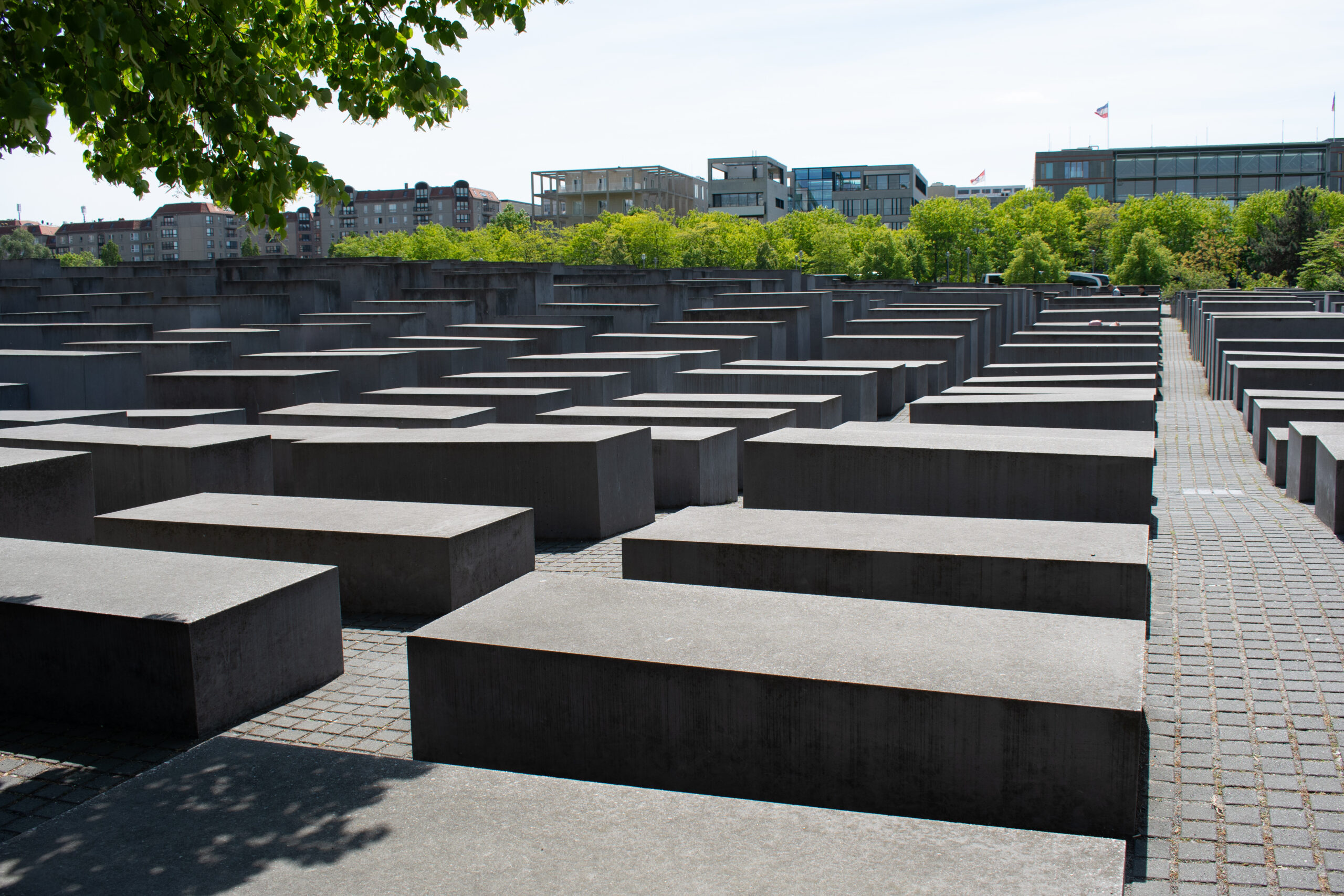
The most powerful stop was the Memorial to the Murdered Jews of Europe. Walking among the concrete slabs, the noise of the city seemed to vanish. The uneven ground and towering forms created a feeling of disorientation that lingered long after I left. Nearby memorials honoring the Sinti and Roma victims and the Soviet soldiers broadened the story of loss and remembrance.


As we began our return journey to the port, we passed by several other points of interest. East Berlin, the Reichstag stood as a symbol of renewal. Its historic stone facade topped by a modern glass dome felt like a promise—transparency rising from a troubled past.

Nearby is Checkpoint Charlie, the most famous crossing point between East and West Berlin during the Cold War. Established in 1961 after the construction of the Berlin Wall, it was used mainly by diplomats, Allied military personnel, and foreigners traveling between the American-controlled and Soviet-controlled sectors of the city. The checkpoint became a powerful symbol of division, espionage, and Cold War tensions until the Berlin Wall fell in 1989 and Germany was reunified in 1990. Now it is a busy intersection and tourist Hotspot in the heart of the city.


We returned to Warnemünde late and tired, having spent four to five hours on the road. And yet, the day felt complete. Berlin is not a city meant to be skimmed, but even in a single, demanding day, it leaves an imprint. It challenges visitors to remember, to reflect, and to carry its history forward.